Initiate, Develop & Expand business through us

Please wait...
Initiate, Develop & Expand business through us
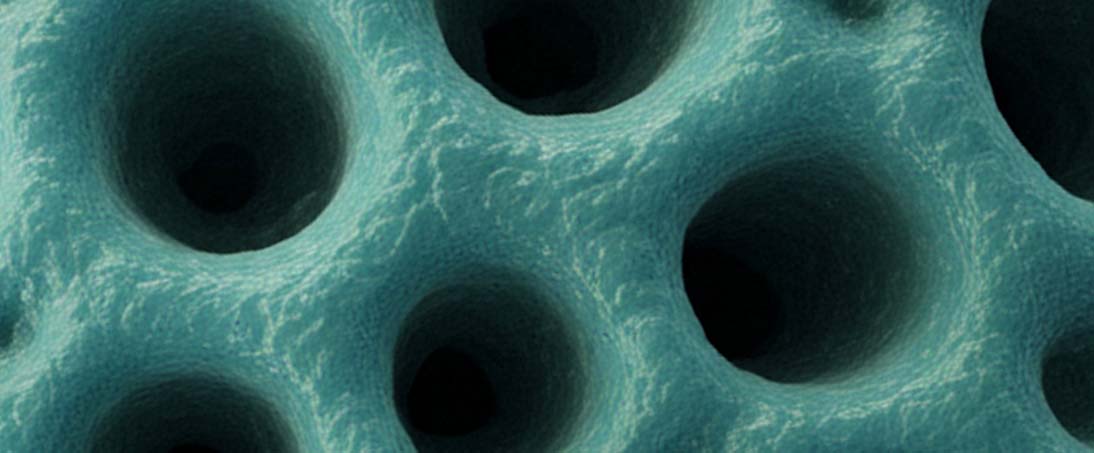
A scaffold is a 3D support used to cover wounds. It supports the artificial skin (dermal fibroblast) by helping it to proliferate and grow naturally. It also acts as a physical barrier against external infection. When artificial skin grows and becomes functional, the scaffold degrades within the body without releasing any toxins. One of the scaffolds used for tissue regeneration is chitosan-gelatin-hyaluronic acid. This scaffold is predominantly used for fibroblast cell culture and proliferation. Further, scaffolds are synthesised by lyophilisation, in which the product is frozen to remove water and placed in a vacuum. The chitosan-gelatin-hyaluronic acid scaffold is synthesised by fusion of the three materials, namely chitosan, gelatin and hyaluronic acid, which play a vital role in wound healing and skin cell regeneration.
Chitosan is produced by the deacetylation of chitin, as chitin is a polysaccharide that acts as an exoskeleton in many insects. The commercially produced chitosan is used in wound dressing, as it decreases the growth of bacteria and fungi. Additionally, chitosan also helps in shaping a proper scaffold that supports artificial skin. Chitosan is also used in bioprinting methods in order to produce large scale consumer products.
Gelatin-polysaccharide hydrogel absorbs a large amount of water, which favours the mammalian cells and helps in cell adhesion, cell growth, infiltration and tissue formation. Moreover, hyaluronic acid is a key component of the extracellular matrix. It helps in wound healing by activating and regulating the inflammatory response and building more blood vessels in the damaged area. Hyaluronic acid is found in many skin care products because it prevents skin from drying by retaining water molecules on the outer surface of the skin, giving a clear appearance. Therefore, these three components produce an effective scaffold for tissue regeneration.
Keywords: Scaffold, Chitosan, Gelatin, Hyaluronic acid, Polysaccharide, Lyophilisation, Bio printing
Image source:
A close-up of a red porous material from Vecteezy, available under the Vecteezy License, at https://www.vecteezy.com/photo/72201737-a-close-up-of-a-red-porous-material, modified by The Torch Editorial team
Citation:
Bakhtawar Javed. Chitosan-gelatin-hyaluronic acid scaffold for skin tissue regeneration. The Torch. 2023. 4 (30).
Available from: https://www.styvalley.com/pub/magazines/torch/read/chitosan-gelatin-hyaluronic-acid-scaffold-for-skin-tissue-regeneration/.
Article counter:
The article has been read 123 time(s)