Initiate, Develop & Expand business through us

Please wait...
Initiate, Develop & Expand business through us
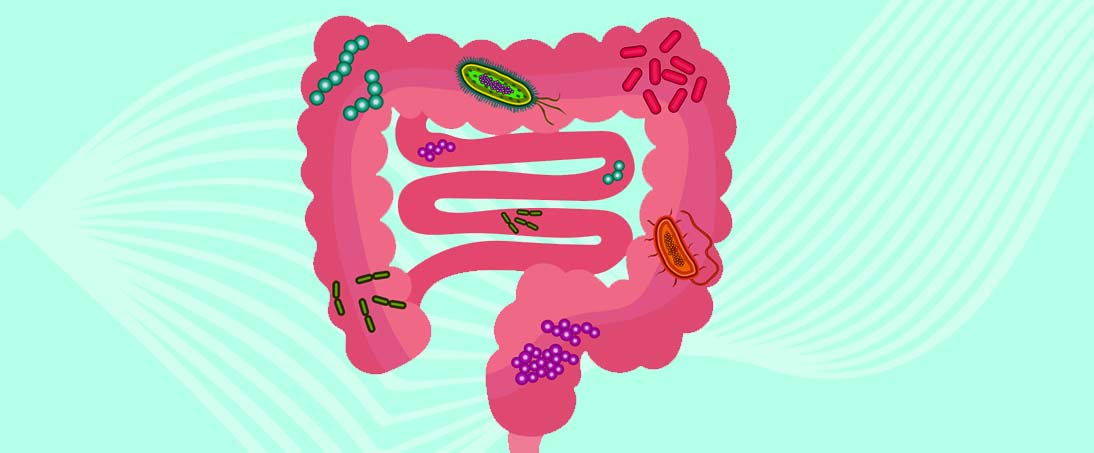
In today’s era, the maintenance of blood pressure has become a major health concern. As human lifestyle continues to evolve dynamically, it is important that we investigate the factors behind what controls our blood pressure to prevent chronic health conditions. Recently, it was confirmed that one such factor that controls our blood pressure is the gut microbiota. Jennifer Pluznick, an associate professor at John Hopkins University, discovered a protein called olfactory receptor 78 (Olfr78) in the kidney, which was previously thought to only have been expressed in the nose. Upon testing out which chemical this receptor responded to it was found that it was triggered mainly by acetate and propionate. These short-chain fatty acid molecules come from the fermentation breakdown of long chains of carbohydrates known as dietary fibres. Animals like humans and rats cannot digest fibre, but the bacteria that live in their intestines can. This means that more than 99% of the acetate and propionate that is in the bloodstream is released by bacteria when they break down those dietary fibres, and this can influence blood pressure. It also means that the gut microbes are the only ones that can trigger the Olfr78. It was further discovered by Pluznick and her colleagues that Olfr78 increases renin production, which is a hormone that constricts blood vessels to increase blood pressure. The team also discovered another glycoprotein receptor 41 (Gpr41) found in the inner walls of blood vessels that also responded to acetate and propionate, but was more sensitive than Olfr78 and led to the lowering of blood pressure. Putting all the pieces of the puzzle together, when we ingest dietary fibres, bacteria in the gut break them down into propionates and acetates. This first activates Gpr41, which brings down the blood pressure as all the consumed nutrients flood the circulation. Gpr41, by itself, might bring the pressure down to dangerous levels. That is where Olfr78 comes in, as it gets triggered when the next surge of fatty acids arrives, thus keeping blood pressure from falling too low by calling for renin to constrict the blood vessels. The scope of such a discovery is truly vast. In a recent study, it was shown that swapping the gut microbiota of a mouse with that of an obese human being also led the mouse to become obese. If a similar effect is seen in blood pressure as well then it would be revolutionary in the field of hypertension treatment as swapping out microbiomes is much easier than manipulating genes.
Keywords: Gut microbiota, Blood pressure, Acetate, Propionate, Dietary fibres
Image source:
Gut microbiota by Murali et al., available under Creative Commons Attribution 4.0 International, at https://commons.wikimedia.org/wiki/File:202004_Gut_microbiota.svg, modified by The Torch Editorial team.
Citation:
Adarsh Jay. Effect of gut microbiota on blood pressure. The Torch. 2023. 4 (37).
Available from: https://www.styvalley.com/pub/magazines/torch/read/effect-of-gut-microbiota-on-blood-pressure/.
Article counter:
The article has been read 249 time(s)