Initiate, Develop & Expand business through us

Please wait...
Initiate, Develop & Expand business through us
As the demand for packaged food keeps increasing, edible films and coatings have received growing attention in the food packaging sector, due to their protective ability from the external environment. Owing to their biodegradable characteristics, they also help in reducing the problem of waste generation. Films and coatings can be loaded with functional and active ingredients, such as antioxidants, flavours, colours and antimicrobial agents to make the food more nutritious, safe and delicious.
The essential oils (EOs) are known for their anti-oxidative and antimicrobial properties. If the edible coatings can be loaded with essential oils, then there can be a reduction in the influence of EOs on the flavour of the product. Additionally, the action time of EOs can be prolonged through the slow-release effect, which would effectively promote the application of EOs in food. Although EOs have the potential to maintain quality and safety benefits, their application in food is limited because some researchers have identified that the interaction of some individual macromolecules with EOs can reduce their antimicrobial activity to some extent. In addition, EOs usually have strong pungent odours. If they are applied directly to the food surface, they will have a certain effect on the quality of the food. If the aforementioned problems can be solved, then it can lead to the incorporation of EOs into the edible coating on food material and thus help the food processing industries to find an effective and alternative way of preserving food while minimising waste production.
The following are a few solutions that have been offered to solve the issues related to EOs. The edible coatings are generally composed of animal and vegetable proteins, celluloses, gums and lipids, etc. So, the presence of water in them can reduce the interaction between the EOs and the cell membrane of the microbe. This could be a reason for the decreased activity of the EOs. If the edible coatings are dehydrated before loading them with the EOs, it could help in preserving their activity. Moreover, the pungent odour of the EOs can be masked by using flavouring agents like benzaldehyde, cinnamaldehyde and ethyl propionate, which impart cherry, cinnamon and fruity flavours, respectively. The EOs can also be treated with enzymes, which often help in chemically modifying their properties, thus helping in removing the strong odour, while preserving their antimicrobial properties. Therefore, EOs could be used as an eco-friendly alternative to plastics in food coating materials.
Keywords: Essential oil, Food packaging, Edible films, Antimicrobial activity
Image source:
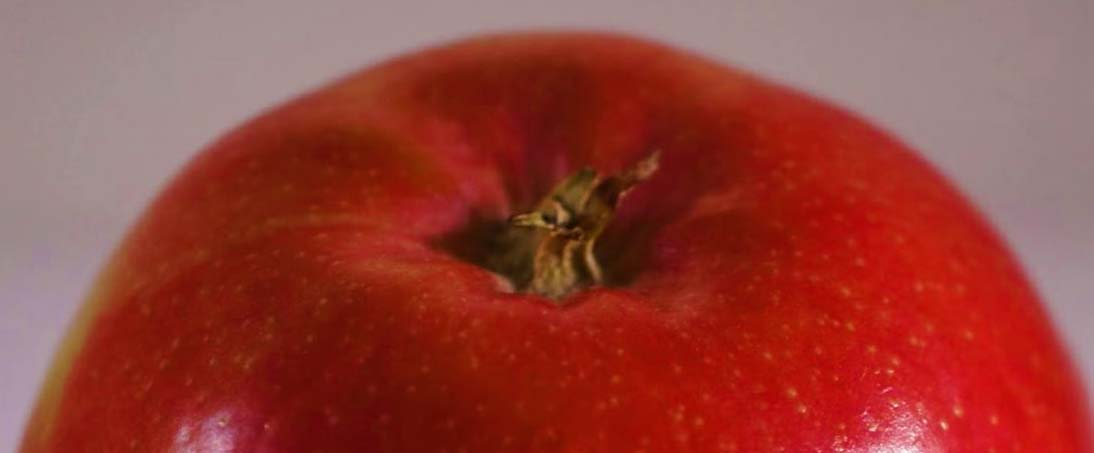
Red apples by Toper Domingo, available under Public Domain (CC0), at https://pixnio.com/flora-plants/fruits/apple-pictures/fruit-agriculture-antioxidant-apple-apples-blur-bright-calorie
Citation:
Shreeparna Ghosh. Essential oils-incorporated edible coating on food. The Torch. 2023. 4 (28).
Available from: https://www.styvalley.com/pub/magazines/torch/read/essential-oils-incorporated-edible-coating-on-food/.
Article counter:
The article has been read 101 time(s)