
Initiate, Develop & Expand business through us

Please wait...
Initiate, Develop & Expand business through us
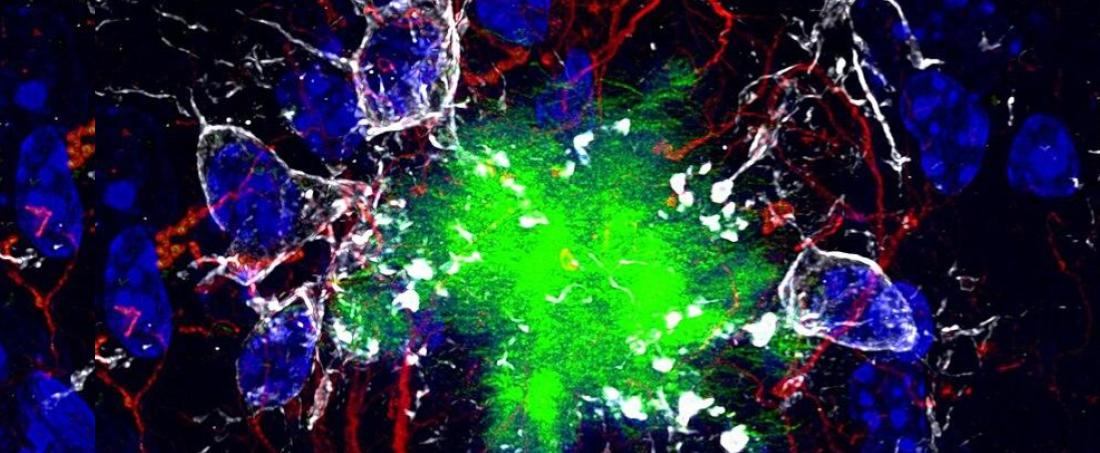
Alzheimer’s disease is one of the leading neurodegenerative disorders that destroys memory along with other important mental functions. It causes the brain to shrink in size and brain cells to die. The main symptom of this disease is memory loss. It has been found that certain proteins called “Tau proteins” within the brain are responsible for the occurrence of Alzheimer’s disease (AD). These Tau proteins are generally attached to microtubules. The secretion of certain chemicals causes Tau proteins to loosen and get detached, forming tangles and networks within the brain. These tangles hinder the neuron’s transport system,m ultimately causing AD.
Recently, a lot of research has been going on targeting the Tau protein. An in-silico approach can be taken in developing a novel drug molecule that can bind to the Tau protein and prevent it from forming tangles. This in-silico method helps to screen the activity of potential therapeutics against molecular targets. A recent study has shown that an inhibitor named glycogen synthase kinase-3 beta (GSK3β) inhibitor can prevent the aggregations of Tau protein. GSK3β is identified as a regulator of glycogen metabolism. Taking this inhibitor into account, certain molecules have been developed, like 4-benzyl-2-(naphthalene-1-yl)- 1,2,4-thiadiazolidine-3, 5-dione (NP-12), AR-A014418, etc. These are the novel therapeutic molecules that have the efficacy to treat AD. AR-A014418 is a selective GSK-3 inhibitor which blocks the phosphorylation of Tau protein at a GSK-3-specific site in cells. The inhibition of hyperphosphorylation of Tau by GSK-3 reduces the Tau protein's tangling, which improves Tau's interaction with the cell membrane. The phosphorylation of Tau is observed as an initial marker for neurodegeneration.
Currently, drugs like galantamine, rivastigmine, and donepezil are used for the treatment of AD. These clinically used drugs aim only at symptomatic relief and are not capable of stopping neurodegeneration. Thus, a lot of research is going on in drug development through computational or in silico approaches for AD. Targeting the Tau proteins at an early stage and inhibiting them from forming tangles can be an effective approach, where novel molecules like NP-12, AR-A014418, etc. play a significant role in AD treatment.
Keywords: Alzheimer’s Disease, Neurodegenerative disorder, Tau proteins, GSK3β inhibitor
Image source:
The Glowing Emptiness of an Alzheimer's Disease Patient by National Institute on Aging (NIA), available under Public Domain, at https://commons.wikimedia.org/wiki/File:The_Glowing_Emptiness_of_an_Alzheimer%27s_Disease_Patient.jpg
Citation:
Manorchita Taraphder. In silico approach for developing potential therapeutic drug molecules against Alzheimer’s disease.. The Torch. 2023. 5 (1).
Available from: https://www.styvalley.com/pub/magazines/torch/read/in-silico-approach-for-developing-potential-therapeutic-drug-molecules-against-alzheimer-s-disease/.
Article counter:
The article has been read 3 time(s)