Initiate, Develop & Expand business through us

Please wait...
Initiate, Develop & Expand business through us
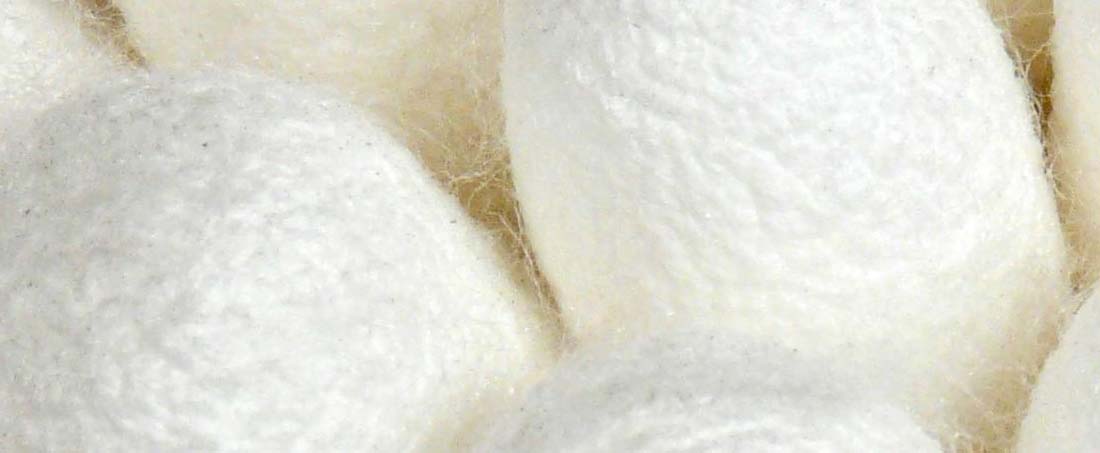
Every year, millions of people suffer from chronic non-healing wounds, particularly those with comorbidities such as diabetes and genetic disorders (e.g. sickle cell anaemia). In recent years, enormous progress has been made in the field of skin tissue engineering. Due to their porous and hydrated molecular structure, hydrogels have the greatest potential to imitate the original skin architecture and skin microenvironment. A type of hydrogel that is widely being explored is silk sericin-based hydrogels. Sericin is a protein adhesive that acts as a protein glue that holds two fibroin fibres together in a cocoon. It is synthesised exclusively in the middle silk glands of silkworms, Bombyx mori. Sericin is usually not utilised in industries, and it is discarded. The recovery of silk sericin is considered to be of high commercial and scientific value. Sericin comprises a high concentration of hydrophilic amino acids, which contribute to its high hydrophilicity and sensitivity to chemical alteration and are responsible for creating a suitable microenvironment for rapid wound healing while preventing infections. Hydrogels prepared using silk sericin are biocompatible, biodegradable, and non-toxic in nature. It can enhance scarless wound healing as well as promote the regeneration of hair follicles and sebaceous glands. It reduces inflammation, increases angiogenesis throughout the healing process, and limits scar tissue formation by modulating the expression of transforming growth factor-beta 1 (TGF-Β1) and transforming growth factor beta 3 (TGF-Β3). Transforming growth factors, especially TGF-1 and TGF-3, are well-known wound regeneration factors. They promote wound healing by stimulating blood vessel formation, inducing the proliferation of fibroblasts, regulating extracellular matrix production and enhancing collagen synthesis. Silk sericin can polymerise into three-dimensional structures that serve as scaffolds for complicated tissue reconstructions. Due to its widespread applications in tissue engineering and drug delivery, silk sericin has a promising future ahead in biomedicine.
Keywords: Sericin, Silkworm, Hydrogels, Tissue engineering, Wound healing
Image source:
Image by Katerina Holmes, available under Pexels License at https://www.pexels.com/photo/close-up-of-silkworm-cocoons-18877232/
Citation:
Jyoti Ajaykumar Dubey . Silk sericin based hydrogels for rapid wound healing. The Torch. 2023. 4 (44).
Available from: https://www.styvalley.com/pub/magazines/torch/read/silk-sericin-based-hydrogels-for-rapid-wound-healing/.
Article counter:
The article has been read 174 time(s)